





Five Minutes to Sparkling: Playful Cleanup That Actually Works

Today we dive into Rapid Chore Games: Turning Cleanup into a Five-Minute Sprint, a lively approach where timers, micro-goals, and friendly rivalry transform chores into quick wins. Expect stories, practical setups, and crowd-tested tricks you can try tonight. Share your favorite five-minute challenge in the comments, invite friends to join, and subscribe for more joyful, human-first strategies that respect your time and energy.

Why Speed Works for Messy Moments

Short bursts beat overwhelm because the brain loves a clear finish line, quick feedback, and visible progress. A focused sprint cuts decision fatigue, shrinks procrastination, and captures momentum before doubt returns. You’ll see more done with less drama, fewer disagreements, and surprising smiles. Think of it as rescuing focus, not hustling harder, while keeping cleanup light, playful, and refreshingly brief.

Designing Five-Minute Challenges Everyone Loves

Pick-Ups by Color, Category, or Room Zones

Color rounds concentrate focus: red toys, blue books, green blocks. Category rounds tame cluttered minds: only dishes, only laundry, only cables. Zone rounds carve manageable paths: left of the sofa, hallway corner, desk surface. Choose one approach per sprint to avoid confusion, then switch next time for novelty. Visible impact motivates everyone, and five minutes suddenly feels generous rather than rushed.

Beat-the-Song Rounds with Smart Playlists

Music sets pace, mood, and length, making structure effortless. Pick a three-to-five-minute track with a playful start and triumphant finish. When the chorus hits, switch hands, swap zones, or shout a silly motto. Use family favorites on shuffle so anticipation stays bright. Ending exactly with the last note builds closure, and starting again later feels like returning to a joyful ritual.

Dice, Cards, and Spinners for Random Fun

Randomizers remove debates about who does what, while adding surprise. Label die faces with tasks, rooms, or categories; draw cards for special moves; spin for bonus points. Quick chance elements keep attention sharp and fairness visible. Keep tools near the timer, ready in seconds. The mix of structure and luck produces steady progress, laughs, and a low-friction way to begin immediately.

Tools, Props, and Quick-Reset Kits

Preparation turns intention into reliability. A small caddy, nested baskets, microfiber cloths, and a visible timer cut wasted motion. Labels fight forgetfulness; hooks and trays create instant homes for strays. Store everything where mess starts, not in distant closets. The easier the reset, the more often it happens. Five minutes improves dramatically when tools move quickly and decisions disappear.

The Grab-and-Go Cleaning Caddy

Stock a lightweight tote with essentials you actually use: cloths, all-purpose spray, scrub pad, dusting wand, and trash bags that fit your bins. Add a clip-on timer so the start is one gesture away. Keep duplicates for multiple floors. When tools live together, sprints begin instantly, interruptions shrink, and finishing becomes routine instead of rare. The caddy makes effort portable, predictable, and friendly.

Baskets That Travel Like Teammates

Assign a small basket to each person or room, labeled and easy to carry. During a sprint, toss misplaced items into the correct basket rather than roaming the house. After the timer, deliver in one focused trip. This prevents wandering, saves attention, and turns five minutes into visible progress. Nested baskets stack neatly, signaling readiness. Teammate baskets transform chaos into clear paths home.

Visual Shortcuts That Save Decisions

Labels, color-coded cloths, and simple floor markers quietly answer constant questions: where does this live, what belongs here, and what goes next. Fewer micro-choices mean faster hands and calmer minds. Use bold, friendly fonts, not tiny print. Photographic labels help kids and guests. When systems speak visually, sprints feel like following a map, not solving a puzzle. Clutter loses its ambiguity and grip.

Turning Solo Sprints into Team Energy

People work better when effort feels shared, appreciated, and fair. Coordinate start times, keep roles visible, and honor different abilities. Make rules generous, not punitive. Build rituals that mark beginnings and endings, then rotate responsibilities so no one becomes the permanent hero. Teams thrive on predictable systems that leave room for personality, laughter, and small celebrations. Progress multiplies when everyone’s five minutes truly matter.

Habit Stacking and Real-Life Schedules

Five minutes works best when attached to moments that already happen—after breakfast, before leaving, right after dinner, or before bed. Anchoring reduces forgetting and negotiation. Build micro-rituals that trigger automatically, even on tired days. Accept variability, adapt with shorter rounds when needed, and protect the core: starting together and stopping on time. Consistency, not intensity, keeps homes lighter and happier.

Tie the Sprint to Anchors You Already Have

Pair the countdown with daily transitions: brewing coffee, setting the table, brushing teeth, or locking the door. Announce the start the same way every time—a song snippet, bell chime, or playful countdown. Anchoring eliminates willpower debates and reduces missed sessions. When the cue happens, the sprint follows. Over weeks, it becomes the easy, obvious thing to do, like buckling a seatbelt.
Recovering When Five Minutes Becomes Two

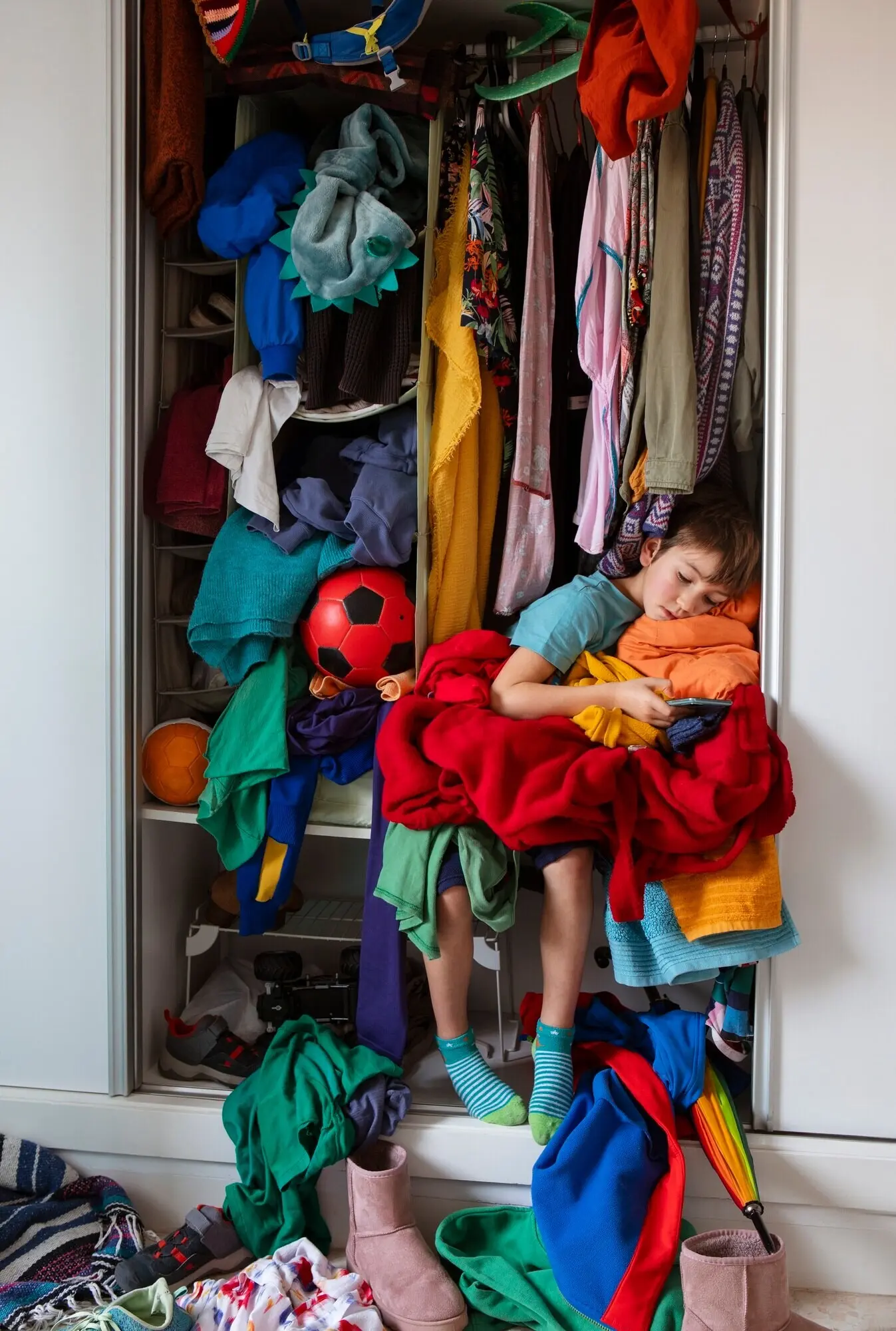
Life interrupts. Instead of abandoning the plan, scale down with a two-minute micro-sprint focused on a single visible win: clear the sink, rescue the couch, or empty the entryway tray. Tiny wins prevent backslides, preserve confidence, and honor fatigue. Log the attempt on the scoreboard anyway. The message to yourself is powerful: imperfect action still counts, and tomorrow deserves a lighter start.

Weekend Power-Ups Without Burnout

On weekends, stack two or three rounds with a joyful intermission like tea, stretching, or a short walk. Keep each sprint crisp and celebratory, never turning fun systems into chores. Rotate formats so novelty stays alive. End with a ritual reset—fresh towels, empty trash, new playlist. The goal is durable ease, not spotless perfection. Weekdays feel smoother because maintenance is already underway.

Motivation, Rewards, and Honest Reflections

Intrinsic motivation grows when people feel effective, connected, and recognized. Focus on identity—“we finish what we start”—and make celebrations genuine, not transactional. Pausing to notice what worked keeps momentum. Adjust rules when energy dips, and invite feedback in comments. Subscribe for new five-minute game ideas, share your adaptations, and help refine this lively approach for many different households and personalities.
Dmannaitravels
Privacy Overview

This website uses cookies so that we can provide you with the best user experience possible. Cookie information is stored in your browser and performs functions such as recognising you when you return to our website and helping our team to understand which sections of the website you find most interesting and useful.